Exploring the Digital Landscape: Social Networks Beyond the Mainstream
In the evolving digital landscape, social networks have become pivotal platforms for personal connections, business networking, and content sharing. While major networks like Facebook, Twitter, and LinkedIn dominate the scene, there’s a world of alternative social networks each with unique features and audiences. This article explores over 20 such networks, shedding light on their distinct niches, user bases, and the pros and cons for businesses considering them. These platforms range from general audience networks to those tailored for specific demographics such as professionals, creatives, or privacy-focused users.
Overview of Each Network

Snipesearch Toot (toot.snipesearch.co.uk)
Snipesearch Toot, part of the Mastodon network, represents a unique approach to social networking. Launched on 24th November 2022, it integrates into the broader Mastodon ecosystem, known for its decentralized and open-source nature. This network appeals to those who prioritize privacy and a community-driven environment, offering an alternative to traditional social media platforms.
Audience The network caters to a general audience, with its structure allowing for a diverse range of communities. Each Mastodon instance, including Snipesearch Toot, can develop its own culture and policies, accommodating various interests and values. It’s particularly appealing to users who value privacy, anti-censorship, and community-based moderation.
Features and User Experience
- Decentralization: Unlike centralized networks, Snipesearch Toot, as part of Mastodon, is made up of independent instances or servers, each with its own rules and moderation policies.
- Privacy and Moderation: The network’s decentralized nature allows users to choose instances that align with their values and privacy expectations.
- Community Diversity: The platform is home to a variety of communities, including those advocating for anti-fascist, anti-racist, LGBTQIA+ rights, and more.
- Customization: Administrators of each instance have the liberty to customize features, like character limits for posts or the option to display trending posts and hashtags.
- Accessibility: Accessible via web browsers and various apps on smartphones and desktops, with each app offering different features and user experiences.
Pros and Cons for Businesses
- Pros:
- Targeted Audience: Businesses can engage with specific communities aligned with their brand values.
- Privacy-Focused: Offers a platform for businesses that prioritize user privacy and data security.
- Customizable Engagement: The ability to choose or create an instance tailored to specific business needs and audience characteristics.
- Cons:
- Limited Reach: Due to the decentralized nature, the reach might be limited compared to mainstream social networks.
- Complex Navigation: For businesses new to decentralized networks, navigating through various instances and understanding each one’s unique culture can be challenging.
- Variable User Experience: Different instances may offer varying user experiences, which can impact how businesses interact with their audience.
Conclusion Snipesearch Toot offers an innovative approach to social networking, emphasizing privacy, community-driven content, and decentralized control. While it presents unique opportunities for businesses, especially those aligned with its core values, it also requires a nuanced understanding of its decentralized structure and audience dynamics.

Snipesocial (snipesocial.co.uk)
Established on November 13, 2013, Snipesocial.co.uk has emerged as a versatile platform that caters to a wide audience range, making it a suitable place for networking and business promotion. This platform’s inclusivity and user-friendly interface have made it an attractive option for those seeking an alternative social networking experience.
Audience Snipesocial is designed for a general audience, offering features that cater to both individual users and businesses. Its broad appeal makes it accessible to a wide demographic, including adults and business professionals. However, there isn’t specific targeting towards children or exclusively adult content, positioning it as a versatile platform for varied users.
Features and User Experience
- Broad Accessibility: Snipesocial’s general appeal makes it accessible and relevant to a diverse user base.
- Networking and Promotion: The platform is well-suited for networking and business promotion, offering various tools for these purposes.
- User-Friendly Interface: Known for its ease of use, Snipesocial provides an intuitive user experience.
Pros and Cons for Businesses
- Pros:
- Versatile Audience Reach: Businesses can tap into a diverse user base for broad market exposure.
- Networking Opportunities: The platform’s design favors networking, making it a valuable tool for business connections.
- Ease of Use: The user-friendly nature of the site makes it accessible for businesses of all sizes and types.
- Cons:
- Limited Niche Focus: Businesses targeting niche markets may find the platform’s general approach less effective.
- Competitive Environment: Due to its general appeal, businesses may face stiff competition in capturing user attention.
- Visibility Challenges: Ensuring visibility on a platform with a broad user base might require more strategic marketing efforts.
Conclusion Snipesocial.co.uk presents itself as a multifaceted social networking platform, offering significant opportunities for networking and business promotion. Its general audience appeal, ease of use, and networking capabilities make it an attractive option for businesses seeking to broaden their reach. However, companies should consider strategies to stand out in its diverse and competitive environment.
For more information, you can explore Snipesocial.co.uk to understand its features and community dynamics.
TTWrite (ttwrite.4up.eu)
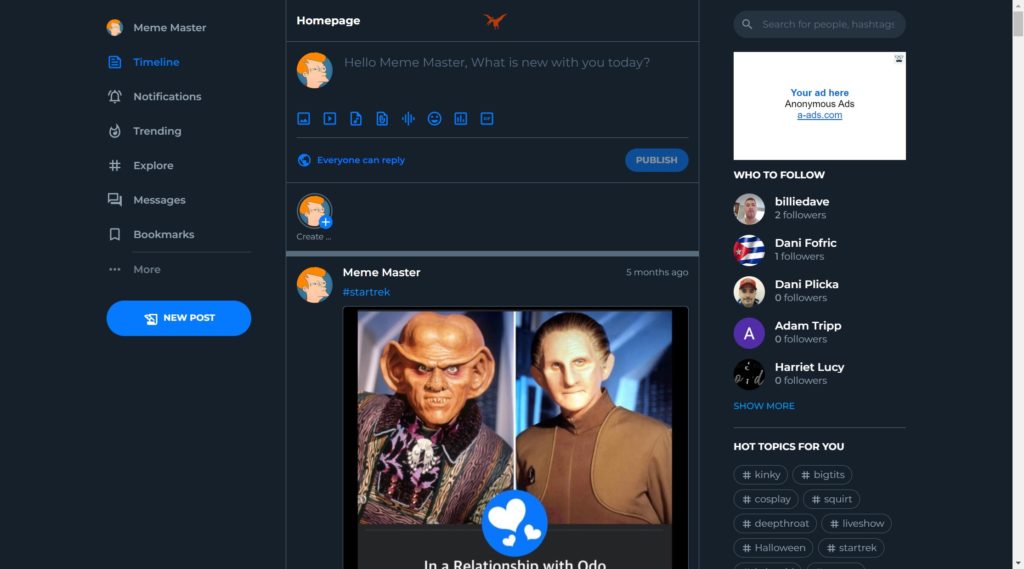
TTWrite, a recent addition to the social networking landscape, offers a microblogging platform focused on privacy and user experience. Launched in July 2023, it functions similarly to classic microblogging sites but stands out with unique rules and features.
Audience and Features
- General Audience: TTWrite is designed for a broad audience, not specifically skewed towards any political leanings.
- Content Sharing: Offers a 300-character limit for posts (writes) and supports video uploads up to 100MB and image uploads up to 2MB.
- Ad-Supported Platform: Runs on an ad-supported model, with premium features and direct advertising options available.
Pros and Cons for Businesses
- Pros:
- Equal Visibility: Without shadow banning or search suppression, all user accounts are displayed equally.
- Freedom of Speech Respectful: Operates within the boundaries of British and European hate speech laws, balancing freedom of speech with legal constraints.
- No Inflammatory Content Boosting: Ensures that content is shown based on follows and direct advertisements, not by boosting engagement through controversial content.
- Cons:
- Limited Reach for Niche Markets: May not provide targeted reach for niche markets as it’s not designed to boost specific content types.
- Ad-Dependent Model: Reliance on ads might affect user experience and the perception of businesses on the platform.
- Cyberbullying Policy: Strict rules against cyberbullying could require businesses to monitor their engagement methods closely.
Conclusion TTWrite’s commitment to privacy, balanced content delivery, and respect for freedom of speech within legal frameworks makes it a promising platform for general audiences and businesses. Its straightforward content rules and emphasis on equal visibility provide a refreshing take on the microblogging experience.
SpaceHey (spacehey.com)
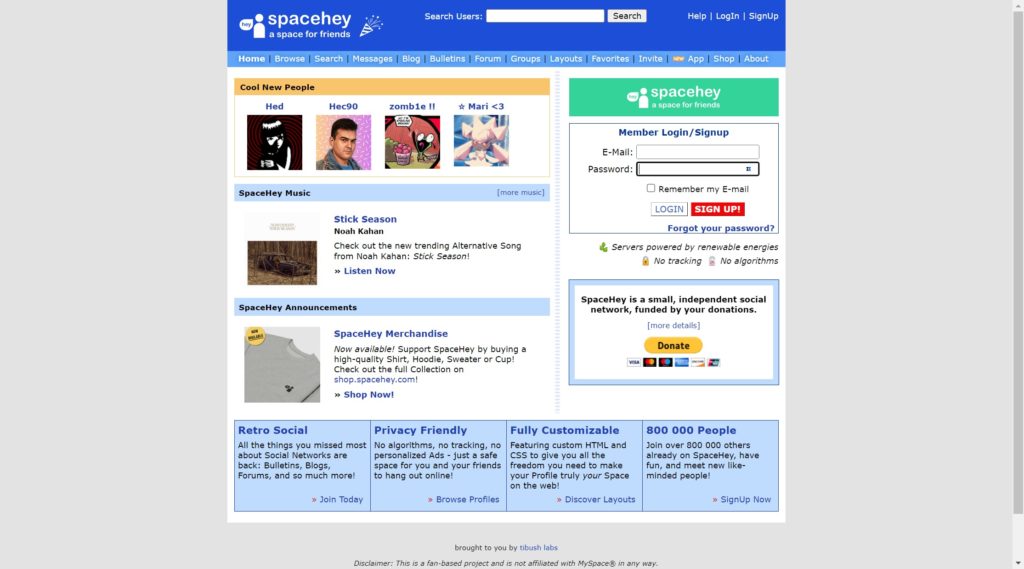
SpaceHey, launched on November 26, 2020, is a social network that revives the classic MySpace experience with modern elements. It targets a general audience and has garnered over 800,000 users as of November 2023. The platform allows users to fully customize their profile pages using HTML and CSS, a notable feature of MySpace. SpaceHey emphasizes privacy, displaying posts chronologically without algorithmic interference. Users can share posts on other social media and embed content from platforms like YouTube and Spotify. While it’s free to use and lacked advertising as of April 2022, financial support for the site is sought through sticker purchases and other means.
Pros:
- Nostalgic appeal with modern functionalities.
- User-customizable profiles offer creative freedom.
- Privacy-focused with chronological feed.
Cons:
- Limited functionalities compared to other modern social networks.
- Financial sustainability relies on user donations and merchandise sales.
- Customization could lead to security risks, as users can integrate external content into their profiles.
Telegram
Telegram, launched in August 2013, is a popular messaging app for businesses and general audiences, renowned for its strong security and large file sharing capabilities. With over 800 million users, it offers features like encrypted messaging, cloud-based storage, and large group functionalities.
Pros:
- High security with end-to-end encryption options.
- Supports large groups and channels for broad communication.
- Ability to send large files, beneficial for business usage.
- Cloud-based, ensuring access across multiple devices.
Cons:
- Complexity in managing large groups.
- Potential for misuse by various groups due to its strong privacy features.
- Might not be as user-friendly for those unfamiliar with advanced messaging apps.
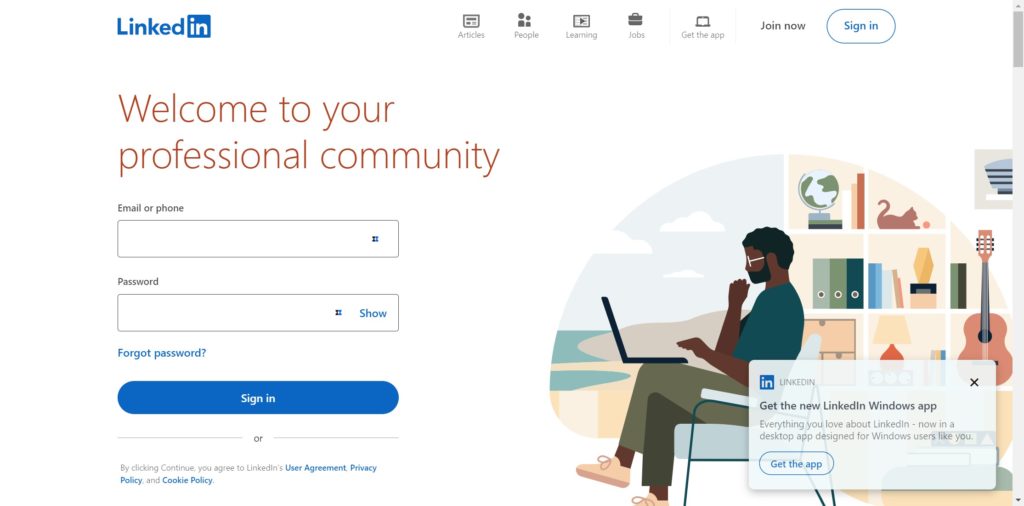
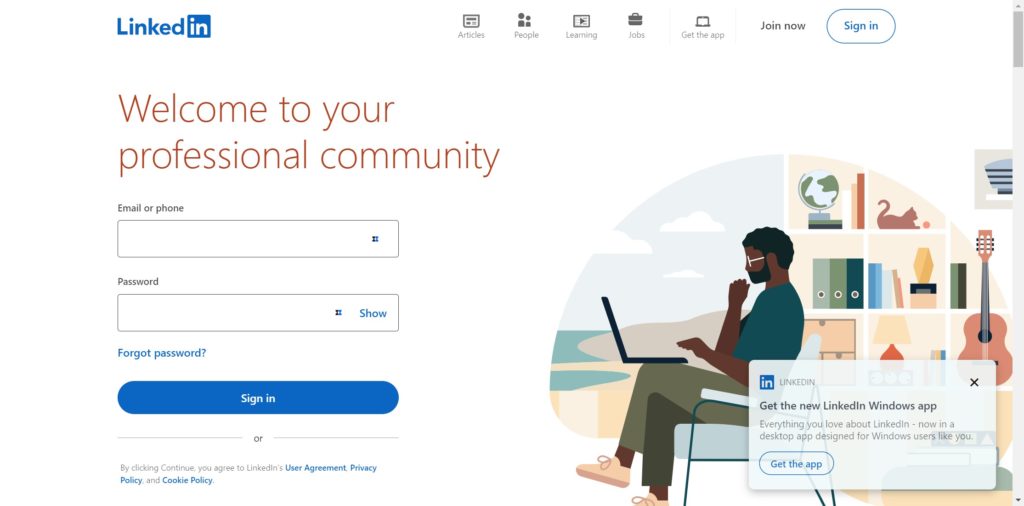
LinkedIn, launched in May 2003, is a business-oriented social network with over 850 million members worldwide. It’s designed primarily for professional networking and B2B relationships, appealing mainly to adults and business professionals rather than a general or younger audience.
Pros:
- Ideal for professional networking and career development.
- Effective for B2B marketing and sales strategies.
- Offers job postings and talent acquisition tools for recruiters.
- Premium features like InMail and advanced search filters.
Cons:
- Basic membership has limited functionalities compared to premium subscriptions.
- Can be less effective for non-business or casual social networking.
- Over-reliance on the platform for professional networking might limit offline opportunities.
Instagram, launched in October 2010, has evolved into a major social media platform with over 2 billion active users. It caters to a general audience and is particularly popular for its visual content sharing, including photos and videos. Instagram is ideal for businesses and individuals focusing on visual marketing and storytelling. The platform offers various features like Instagram Shopping, which enhances the e-commerce experience.
Pros:
- Vast audience for broad reach.
- Strong focus on visual content, great for product showcasing.
- Features like Instagram Stories and Reels for dynamic content sharing.
- Instagram Shopping facilitates direct sales.
Cons:
- Highly competitive for attention.
- Requires high-quality visual content.
- Algorithm changes can affect visibility and engagement.
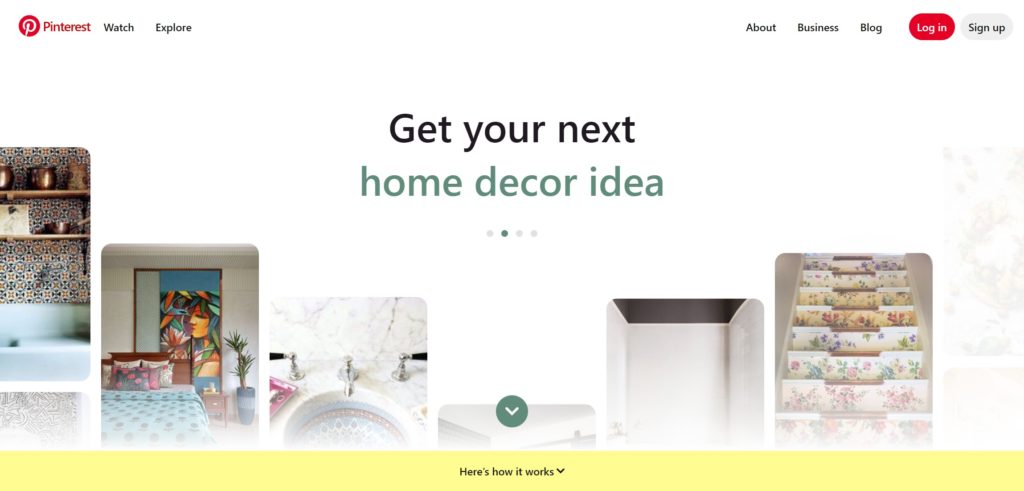
Pinterest, founded in December 2009, is a visual discovery and social media platform. It allows users to save and share images, GIFs, and videos in the form of pinboards. As of 2022, Pinterest has approximately 450 million monthly active users. The platform is particularly popular for topics like recipes, home, style, and inspiration. It has evolved to include features like visual search, shopping catalogs, and Pinterest Analytics. Businesses often use Pinterest for marketing, as it offers unique opportunities for product showcasing and brand development.
Pros:
- Ideal for visual marketing and brand development.
- Features like shopping catalogs and analytics aid in e-commerce.
- Large, diverse user base suitable for a variety of niches.
Cons:
- More suited for lifestyle and creative content than direct selling.
- Content visibility can be influenced by algorithm changes.
WhatsApp Business
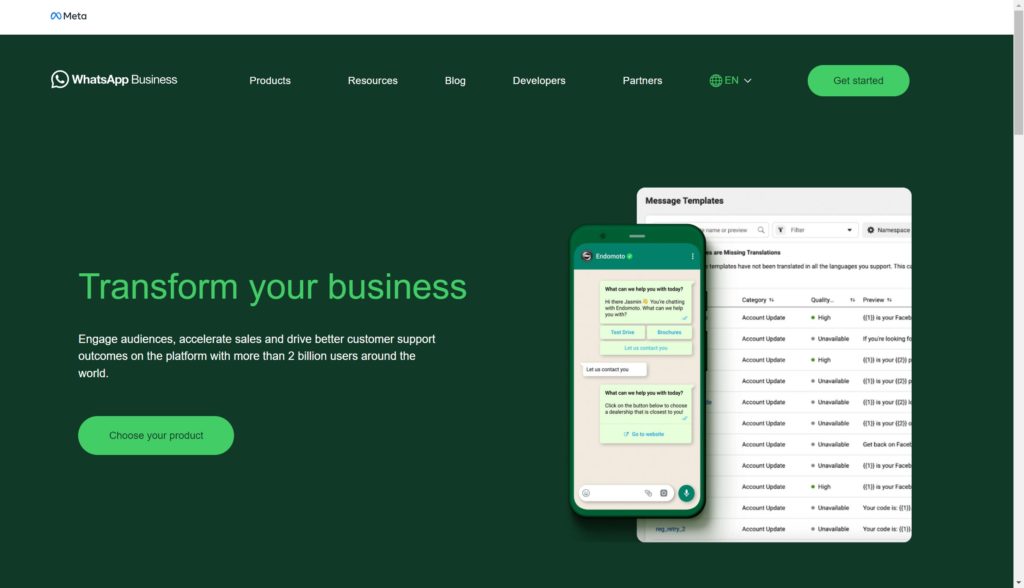
WhatsApp Business, designed for small to large businesses, is a powerful tool for customer communication. Launched as an extension of WhatsApp, it caters to a general audience, especially businesses seeking efficient customer interaction.
Pros:
- Offers features like automated replies, greeting messages, and catalog showcasing.
- Enhances customer engagement and service through rich messaging types.
- Builds trust with end-to-end encryption and branded profiles.
Cons:
- Limited to one device for small businesses, which could be restrictive.
- The business app may not be sufficient for larger businesses handling high volumes of requests.
WhatsApp Business is particularly beneficial for small business owners managing a moderate amount of customer interactions. For larger businesses, the WhatsApp Business API allows for integration with existing CRM and support systems, handling greater customer request volumes.
TikTok
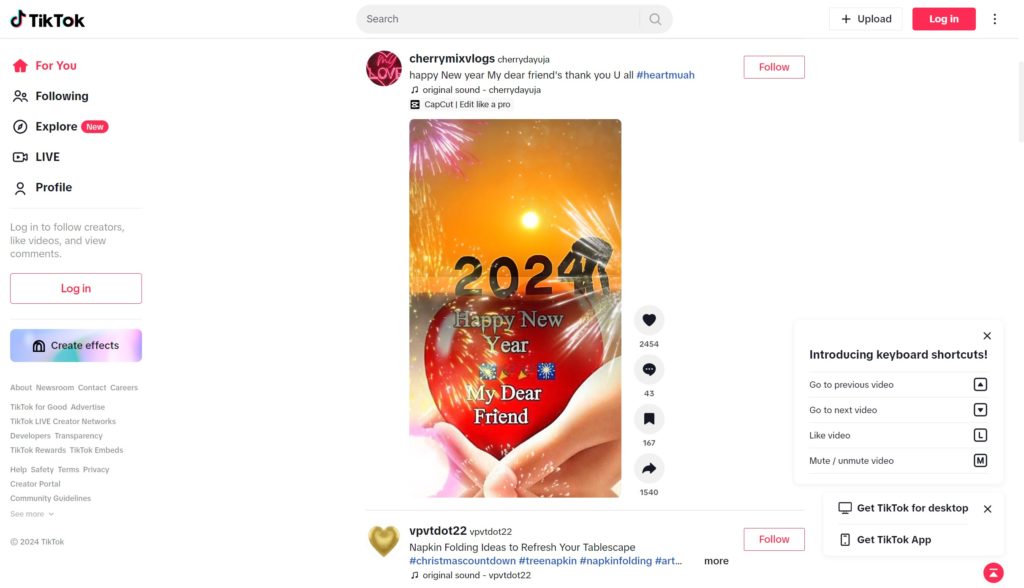
TikTok, initially released in September 2016 in China as Douyin and worldwide in August 2018, quickly became a major force in social media. Known for its short-form videos ranging from 3 seconds to 10 minutes, TikTok appeals to a general audience and has had a significant impact on global trends and viral marketing. As of October 2020, it surpassed 2 billion mobile downloads worldwide. Its popularity led to it being named the most popular website of 2021 by Cloudflare, surpassing Google. Despite its success, TikTok has faced controversies related to user data security, content, and mental health concerns.
Pros:
- Rapid growth and wide user base for maximum visibility.
- Highly influential in setting trends and viral content.
- Effective platform for creative short-form video marketing.
Cons:
- Concerns over data security and potential misuse.
- Regulatory challenges in various countries.
- The platform’s addictiveness and impact on mental health have been questioned.

Vero
Vero, launched in 2015, markets itself as a social network free from advertisements, data mining, and algorithms. It aims to provide a more authentic and user-focused experience. The platform saw a surge in popularity in 2018, especially among niche groups like cosplayers, makeup artists, and skateboarders. Vero’s content feed is chronological, unlike the algorithm-based feeds of other social networks. It monetizes through affiliate fees from products bought on the app and plans to charge a subscription fee after reaching a certain user count.
Pros:
- Ad-free and algorithm-free for a more authentic social experience.
- Chronological feed allows for straightforward content discovery.
- Appeals to niche creative communities.
Cons:
- Privacy concerns over the app’s data policy.
- Potential challenges in scaling and maintaining a large user base without traditional social media monetization methods.
Mastodon
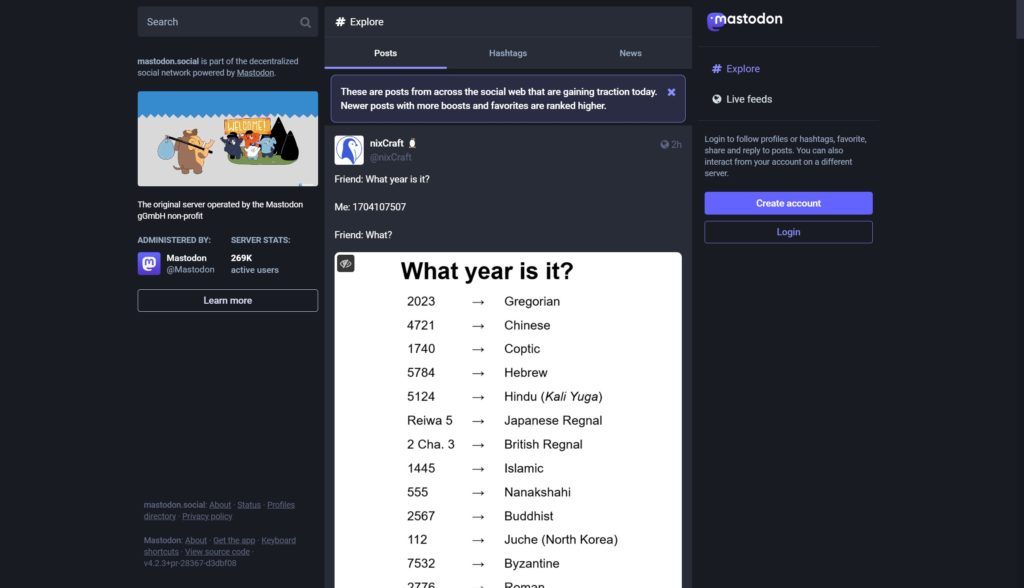
Mastodon, launched in March 2016, is a decentralized, open-source social network with microblogging features. It’s part of the Fediverse, allowing users to interact across various servers, each with its own code of conduct and moderation policies. This setup gives users the flexibility to choose a server with policies they prefer while maintaining access to a larger network. As of 2023, Mastodon has seen significant user growth, especially following the acquisition of Twitter by Elon Musk.
Pros:
- Decentralized structure offers diverse communities and content moderation styles.
- Supports free speech within legal frameworks.
- Each server can have its own unique community and rules.
Cons:
- Fragmented user experience across different servers.
- Might not be as user-friendly for those used to centralized platforms.
- Variable moderation policies can lead to inconsistent experiences.
MeWe
MeWe, founded in May 2012 as Sgrouples, is a privacy-focused social media and social networking service. Known for its commitment to data privacy and lack of ads, MeWe offers features common to social media platforms, such as posting text and images, emojis, GIFs, groups, disappearing content, and chat. MeWe’s user base and content in the United States tend to lean conservative, attracting users who feel censored on mainstream platforms. The site gained popularity in Hong Kong in 2020 due to concerns over pro-China censorship on other platforms. MeWe emphasizes privacy with its “Privacy Bill of Rights” and offers a paid subscription for premium features.
VK (VKontakte)
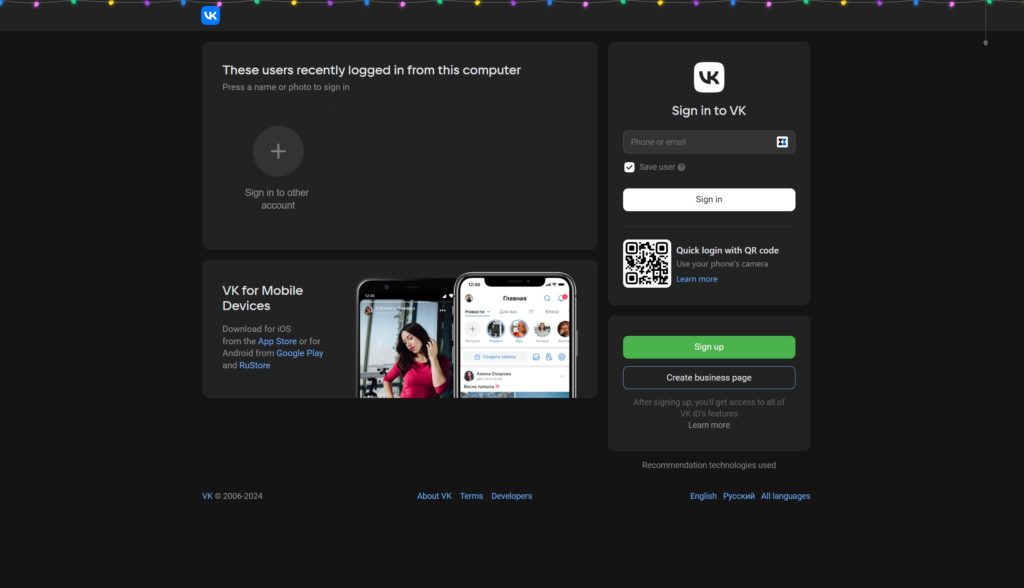
VK (VKontakte), founded on October 10, 2006, in Russia, is a major social media and networking service. As of May 2021, it boasted over 656 million users, predominantly Russian speakers. VK’s features include private messaging, public posts with various media attachments, news feeds, and community management tools. It also integrates with other social networks, like Facebook and Twitter, for content synchronization. The platform has a significant impact in several Eurasian countries and was the fourth most visited site in Russia as of November 2022.
Pros:
- Extensive user base, especially in Russian-speaking regions.
- Rich feature set for both personal and community use.
- Allows synchronization with other social networks.
Cons:
- Limited appeal outside the Russian-speaking audience.
- Has faced controversy over copyright issues and government censorship.
- History of changes in ownership and management could impact stability.
Baidu Tieba
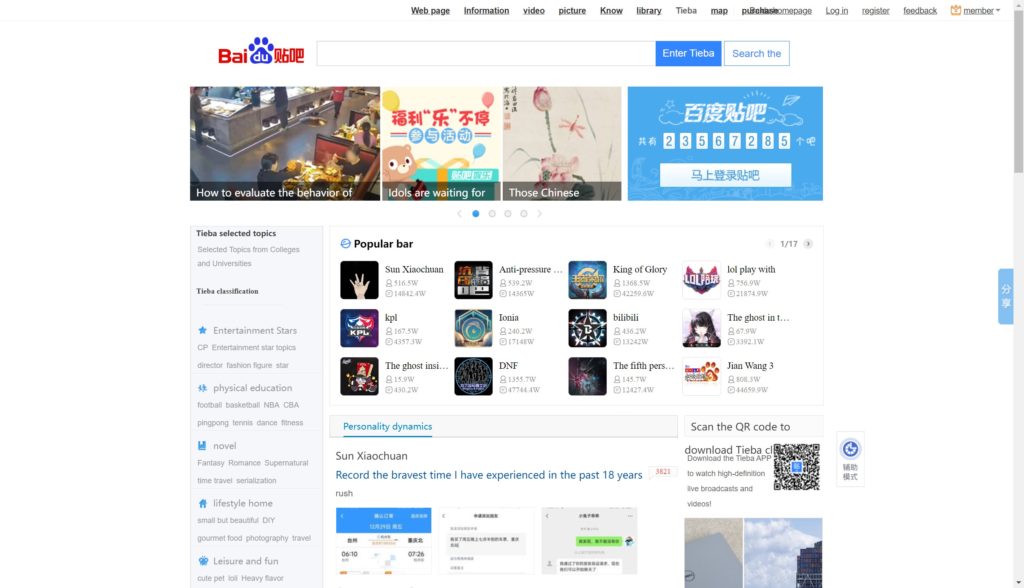
Baidu Tieba, launched on December 3, 2003, is a prominent Chinese online forum hosted by Baidu, a leading web services company. It integrates heavily with Baidu’s search engine and is structured around user-created forums called “bars,” dedicated to various topics. As of 2021, Baidu Tieba had around 45 million monthly active users and over 1.5 billion total registered users. This platform is known for its large and active community, with over 23 million communities covering a wide range of interests. It’s a unique blend of a search engine and a social networking site, focusing on topics of interest and community building.
Mix
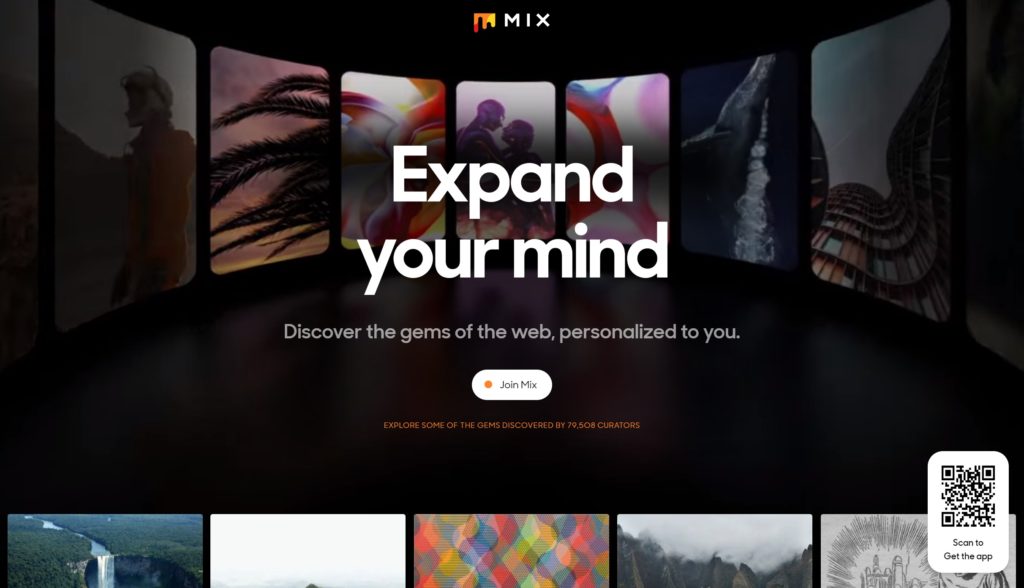
Mix is a social media platform that emerged from the legacy of StumbleUpon, offering a unique approach to content discovery and sharing. Launched on June 30, 2018, it provides a space for users to curate and share a variety of content, ranging from articles and images to videos and music. The platform is designed to cater to a general audience, with a focus on those interested in exploring and learning about a wide array of topics.
Pros:
- Enables users to discover and save a diverse range of content from the internet.
- Offers personalized recommendations, enhancing the user experience.
- Provides an opportunity for businesses and individuals to connect with others who share similar interests, which can be beneficial for networking and content promotion.
- Allows content sharing across the platform as well as on other social media sites.
Cons:
- Being a relatively new platform, it may have a smaller user base compared to more established social networks.
- There have been concerns regarding spam in the comments sections of posts.
- User engagement levels on Mix may not be as high as on more mainstream platforms.
Mix operates as a modern platform for content exploration, making it a potential tool for businesses and individuals looking to expand their reach and discover new ideas. It can be particularly useful for those who wish to delve deeper into specific interests and share their findings with a like-minded community.

Twitch
Twitch, launched in June 2011, is an American live streaming service known for its focus on video game streaming, including esports competitions. It has expanded to include a variety of content like music broadcasts and creative content. As of October 2023, Twitch is among the top visited websites globally, with a significant portion of its traffic from the U.S. The platform has over 27,000 partner channels and emphasizes user interaction through features like chat emotes and cheering with Bits, a form of microtransaction.
Pros:
- Wide audience reach, especially in gaming and live-stream content.
- Interactive features enhance viewer engagement.
- Opportunities for monetization through Bits and partnerships.
Cons:
- Highly competitive platform.
- Requires consistent content creation to maintain viewer interest.
- Some issues with lag and frame rates have been noted in the past.

Quora
Quora, founded on June 25, 2009, and publicly available since June 21, 2010, is a question-and-answer website that serves as an online knowledge market. It focuses on high-quality questions and answers across a broad range of topics, catering to a general audience with diverse interests. As of 2020, Quora had 300 million monthly users. The platform allows users to collaborate by editing questions and commenting on answers submitted by others, creating a dynamic and interactive learning environment.
Pros:
- Enables knowledge sharing and expertise demonstration.
- Wide range of topics, appealing to diverse interests.
- Opportunity for professionals to establish authority in their field.
Cons:
- Answers vary in quality; not all are vetted by experts.
- Anonymity can sometimes lead to less credible responses.

Medium
Medium, an online publishing platform launched in August 2012, is known for its mix of professional and amateur content. It’s a platform for writers who want to share longer-form content than what’s typically found on social media. Medium has evolved to include a membership model and a partner program, paying writers based on reader engagement. It’s popular among a general audience and professionals seeking thoughtful, in-depth content.
Pros:
- Wide reach with a diverse audience.
- Enables in-depth, long-form content sharing.
- Offers revenue opportunities for writers through its partner program.
Cons:
- Competitive platform; standing out can be challenging.
- Paywall may limit audience reach for non-members.
- Shifts in platform policies and features can affect content visibility.
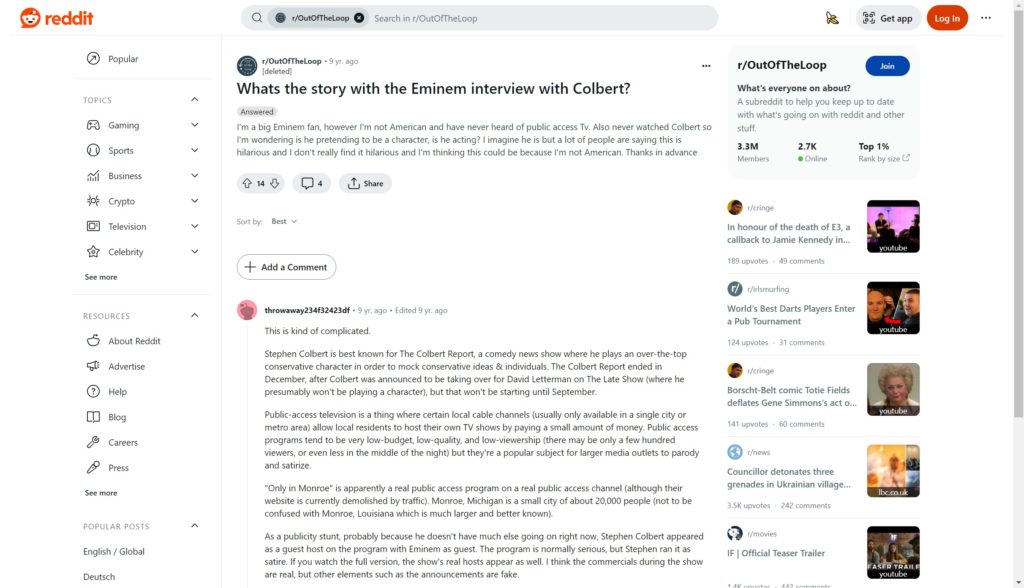
Reddit, founded on June 23, 2005, is an American social news aggregation, content rating, and discussion website. It allows registered users to submit various types of content, which are then voted up or down by other members. Content is organized into user-created boards called “subreddits,” based on different subjects or interests. As of October 2023, Reddit is the 18th most-visited website globally, with a diverse audience primarily from the United States, the United Kingdom, and Canada. With approximately 52 million daily active users as of October 2020, Reddit caters to a general audience and offers a platform for niche communities and discussions.
Pros:
- Offers a platform for niche communities.
- Enables raising publicity for various causes.
- One of the most visited websites, providing extensive reach.
Cons:
- Has faced criticism for spreading misinformation.
- Content and discussions can be controversial.

Weibo, launched on August 14, 2009, by Sina Corporation, is a major Chinese microblogging platform. It has over 582 million monthly active users as of Q1 2022. Weibo offers a mix of features from different social media platforms, including Twitter and Facebook. It is particularly popular for real-time information and trend tracking.
Pros:
- Massive user base, making it ideal for reaching a wide Chinese audience.
- Versatile content sharing including images, videos, and text.
- Real-time information and trend tracking capabilities.
Cons:
- Strict government censorship impacting content.
- The platform’s language and cultural context might be challenging for non-Chinese users or businesses.
- Competition with other popular Chinese platforms like Douyin (TikTok).
Tumblr
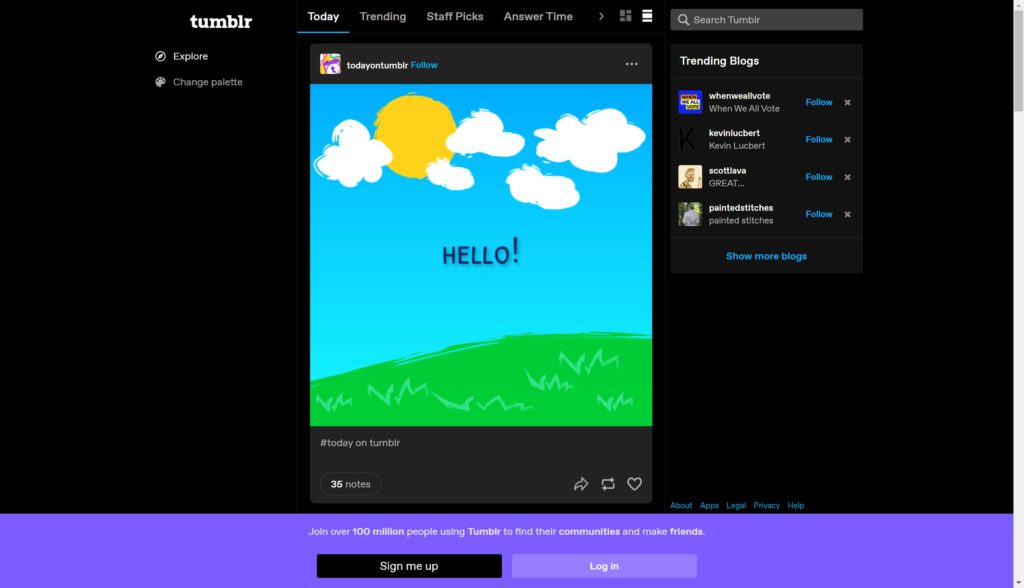
Tumblr, founded in February 2007 by David Karp, is a microblogging and social networking website known for its eclectic content and vibrant communities. It allows users to post multimedia and other content to a short-form blog, making it a mix of blogging and social networking. It’s particularly popular for its support of artistic and diverse content, including LGBTQ+ communities. However, the site has faced criticism over its handling of adult content and changes in its user interface.
Pros:
- Diverse and creative content, including support for LGBTQ+ communities.
- Customizable blog themes and multimedia support.
- Integrated social features like following, reblogging, and liking.
Cons:
- Controversies over handling of adult content.
- User interface changes have sometimes been unpopular.
- Reduced popularity due to policy changes and competition.

Flickr
Flickr, founded in 2004 in Vancouver, Canada, and now headquartered in the United States, is a prominent image and video hosting service. It offers an online community primarily for amateur and professional photographers to host high-resolution photos. As of June 2015, Flickr had 112 million registered members and hosted more than 6 billion images. The platform allows users without accounts to access photos and videos, but uploading content requires an account. Flickr offers both free and paid account options, with free accounts limited to 1,000 photos or videos and paid accounts offering more features.
Pros:
- Large user base with diverse photography interests.
- Both private and public image storage options.
- Offers organizational tools like albums and geotagging.
Cons:
- Free account limited to 1,000 items.
- The platform has undergone several corporate changes, affecting user experience and policies.
Behance
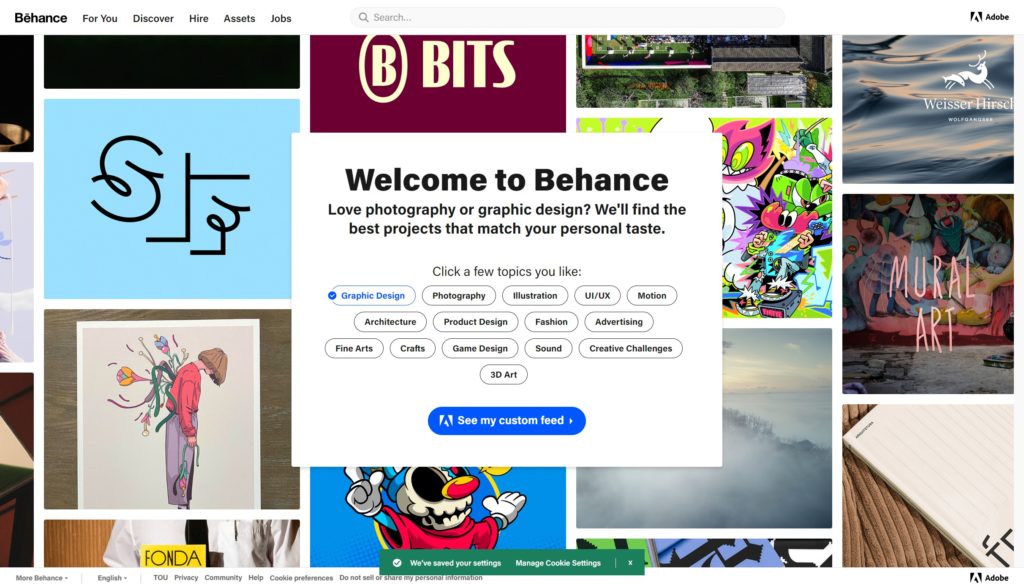
Behance, launched in November 2005 and acquired by Adobe in December 2012, is a social media platform focusing on showcasing and discovering creative work. It has over 24 million members as of October 2020 and is used predominantly by creative professionals, including artists, designers, and innovators. Behance allows users to build profiles and share projects, and it features a range of creative works across different fields.
Pros:
- Ideal for showcasing creative work and building a professional portfolio.
- Wide exposure to a community of creatives and potential clients.
- Integration with Adobe Creative Cloud.
Cons:
- Primarily caters to creative fields, which may limit its utility for non-creative professions.
- User activity and content could be monitored following Adobe’s acquisition.
Conclusion
As we conclude our exploration of these 24 diverse social networks, each with its unique audience, features, and niches, it becomes evident that the world of social media extends far beyond the giants like Facebook and Twitter. From the artistic realms of Behance and Ello to the privacy-centric platforms like MeWe, each network offers distinct opportunities and challenges for individuals and businesses alike.
Understanding the landscape of these platforms is crucial for effective digital strategy. For businesses, selecting the right platforms can mean reaching the ideal audience more effectively, whether it’s through the visually-driven content of Instagram and Pinterest or the professional networks of LinkedIn. The key is to recognize the unique characteristics and user demographics of each platform to craft tailored, impactful strategies.
While we’ve covered a wide range of networks, it’s important to note that the digital world is constantly evolving. New platforms emerge, and existing ones evolve, continually changing the way we connect, share, and do business online. Staying informed and adaptable is essential in navigating this ever-changing landscape.
In summary, whether you’re a business looking to expand your digital footprint, a creative professional seeking a community, or simply exploring new ways to connect and share online, there’s likely a social network that fits your needs. The diversity of these platforms underscores the vibrant and multifaceted nature of our digital world, offering a multitude of ways to engage, share, and grow in the vast expanse of social media.